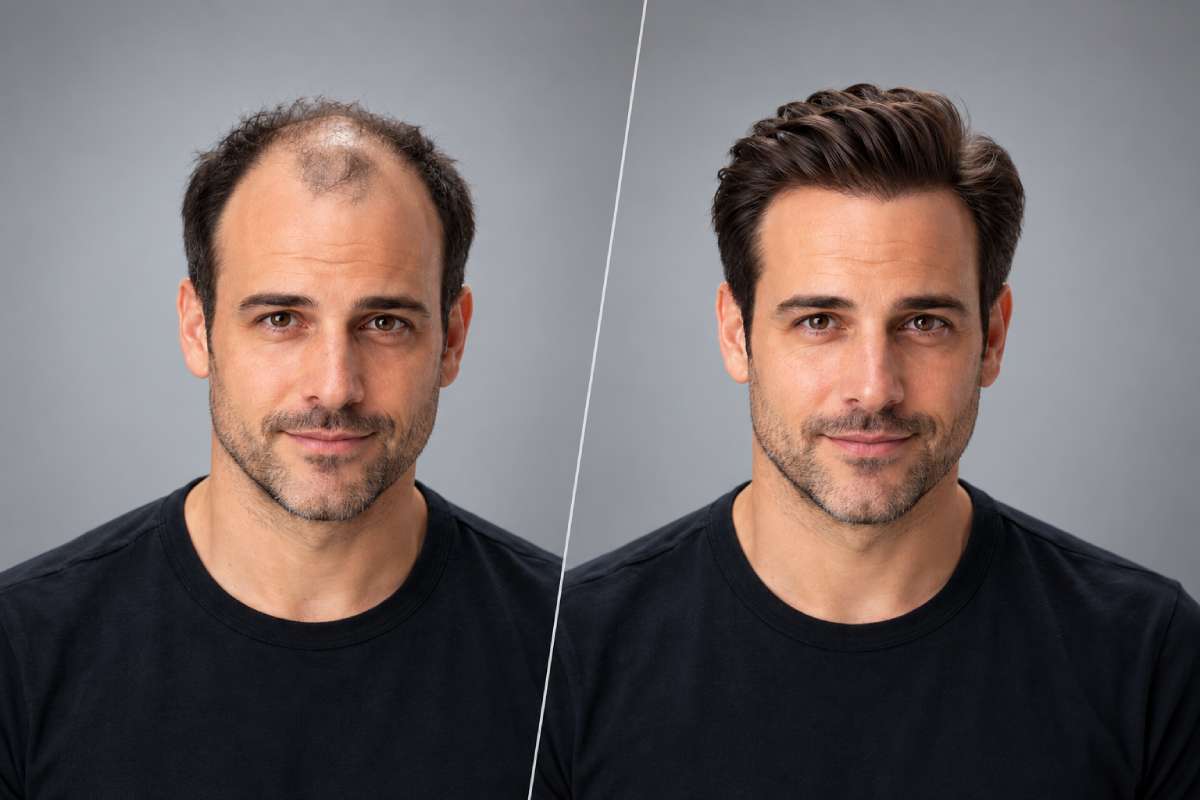
Yes, in rare cases lisinopril can cause hair loss, most often as temporary shedding that resolves once the medication is changed. Lisinopril is a very common medicine used to treat high blood pressure and heart problems. Many people take it every day without issues, but some wonder if it could also cause hair loss.
Losing hair can be stressful, especially if it starts soon after taking a new medication. The good news is that hair loss from lisinopril is rare, and when it does happen, it is usually temporary and improves once the medicine is changed.
Let’s take a look at what we know about lisinopril and hair loss, why it might happen, how often it occurs, and what you can do if you think your medication is affecting your hair.
Key Takeaways
- Hair loss from lisinopril is rare, affecting less than 0.1% of people who take it.
- When it happens, it is usually a temporary condition called telogen effluvium, not permanent damage to the hair follicles.
- Shedding typically starts 2 to 3 months after beginning lisinopril.
- Regrowth is common within 3 to 6 months once the trigger is removed.
- Never stop a blood pressure medication on your own. Talk to your doctor first if you suspect it is affecting your hair.
What Is Lisinopril?
Lisinopril is a type of blood pressure medicine called an ACE inhibitor. ACE stands for “angiotensin-converting enzyme.” This enzyme helps control blood pressure in your body. When lisinopril blocks ACE activity, your blood vessels relax, and your blood pressure goes down.
Most people take lisinopril without problems, but like any medication, it can cause side effects, and one of those listed is hair loss.
Can Lisinopril Cause Hair Loss?
Yes, it can, but it is very uncommon.
Official drug safety information shows that hair loss happens in less than 0.1% of people who take lisinopril, which is considered a rare adverse effect.
And while some people online have shared personal stories about their hair thinning while taking lisinopril, most cases have improved after switching medications.
While these stories do not replace scientific data, they match what doctors have observed in rare cases.
Why Would Lisinopril Cause Hair Loss?
Doctors believe that when lisinopril causes hair loss, it usually triggers a temporary condition called telogen effluvium. This happens when the body experiences a change that shifts more hairs than usual into the shedding phase of the growth cycle.
Normally, most of your hair is growing, while a smaller amount is resting and ready to fall out. A major change, such as starting a new medication, can send more hairs into that resting phase. A few months later, those hairs begin to shed, which leads to noticeable, though temporary, thinning.
Experts think lisinopril may cause this shift because it affects certain hormones, including aldosterone and angiotensin II, which help regulate blood pressure and may also influence hair growth. When these levels change, some hairs may shed earlier than normal.
One important thing to note is that this type of shedding often appears 2 to 3 months after starting the medication. This delay is normal because it takes time for the affected hairs to fall out.
Is Hair Loss From Lisinopril Permanent?
No. When lisinopril does lead to hair loss, the shedding is almost always temporary. Once the medicine is stopped or changed, excess hair loss usually slows within a few weeks. New hair often begins growing back within three to six months.
The reason hair grows back is because lisinopril does not damage the hair follicles. It only affects the timing of the hair cycle. Because the follicles remain healthy, the hair can return to normal once the trigger is removed.
Could Something Else Be Causing the Hair Loss?
Yes. Hair loss is extremely common, and many things besides medication can cause it, including:
- Genetic factors
- Stress
- Illness
- Surgery
- Hormone changes
- Vitamin deficiencies
Even certain hairstyles, hair coloring, or bleaching can cause breakage that looks like thinning.
Since so many things affect hair, it’s important not to jump to conclusions. A doctor or dermatologist can help rule out other causes and determine whether lisinopril is likely the reason for your hair loss.
Curious whether a hair transplant is right for you?
Our doctors have been restoring hair in San Antonio since the 1990s. Get honest answers about your options in a consultation.
Schedule a ConsultationOr call (210) 496-9992
How Common Is Hair Loss With Lisinopril?
Hair loss is listed as a rare side effect of lisinopril and affects less than 0.1% of patients.
Most people who take lisinopril never have any hair problems at all. In fact, other blood pressure medicines, such as some beta blockers or diuretics, can also cause hair loss in rare cases. So, if lisinopril is the cause, switching to a different type of medication may help.
What Should You Do If You Think Lisinopril Is Causing Hair Loss?
If you notice extra shedding after starting lisinopril, the first and most important step is to talk to your doctor before making any changes. Stopping a blood pressure medicine suddenly can be risky, so it’s important to get medical guidance.
Your doctor may ask when your hair loss began, how much hair you are losing, and whether anything else in your life has changed. They might also check for other causes, such as low iron or vitamin D levels.
If your doctor believes lisinopril may be the reason, they may recommend switching to a different blood pressure medication.
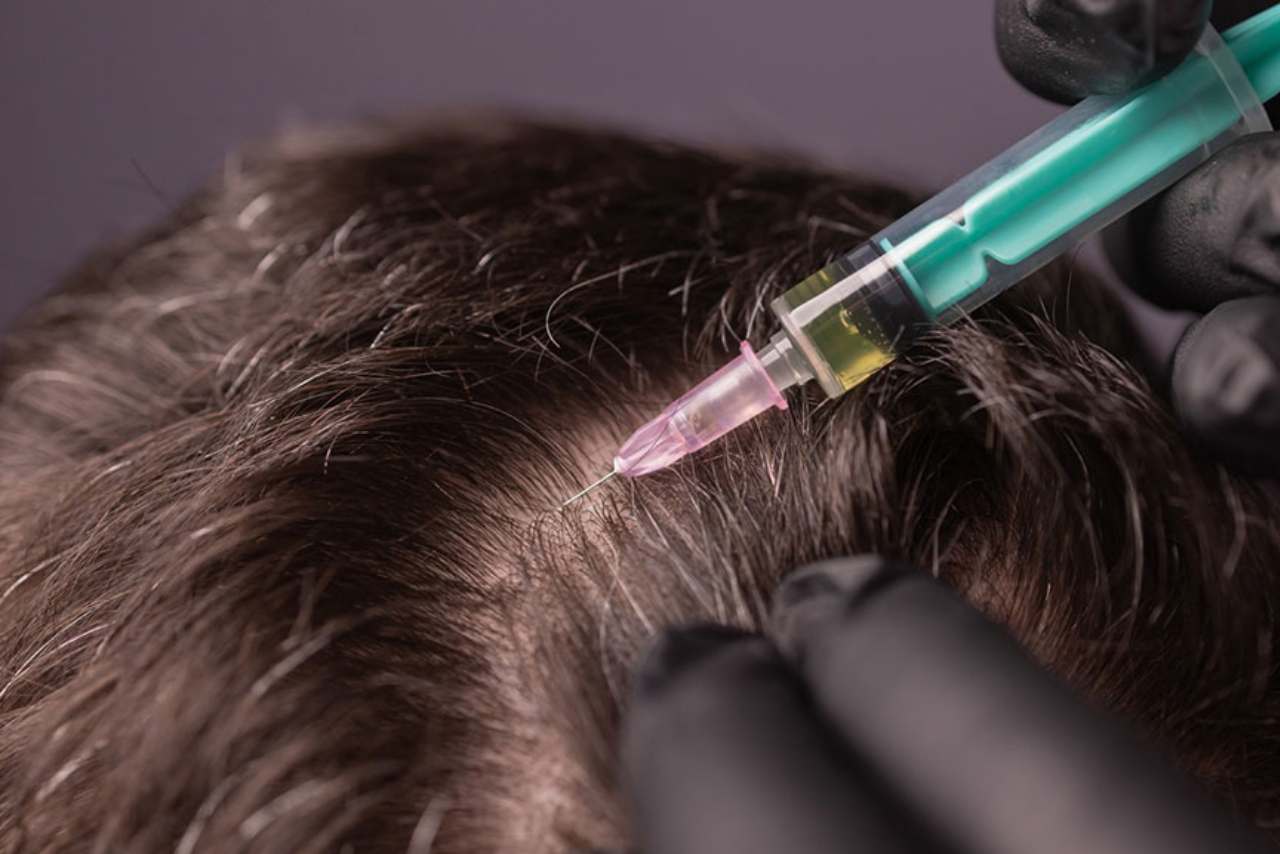
Your doctor may also suggest improving your diet, managing stress, or using gentle hair care to help reduce breakage. If needed, they might recommend hair growth treatments like minoxidil to help speed regrowth.
When Should You See a Dermatologist?
A dermatologist specializes in hair and skin conditions, and it can be helpful to see one if your hair loss is getting worse, if you see bald spots, or if your hair does not start improving after stopping or switching medications. A dermatologist can examine your scalp, run tests, and recommend the best treatments for your situation.
Should I Be Worried About Hair Loss as a Side Effect to Medication?
So, does lisinopril cause hair loss? The simple answer is it’s possible but very rare. When hair loss does happen, it is usually mild, temporary, and reversible. Most people who take lisinopril never notice any changes in their hair.
If you do think your medication is affecting your hair, talk to your doctor. There are many safe options to treat your blood pressure and protect your hair. With the right plan, most people see their shedding slow down and their hair beginning to grow back in the months that follow.
If you need help understanding your hair loss or want expert guidance, the team at Limmer Hair Transplant Center can help you find answers and support healthy hair growth.
Frequently Asked Questions
Is hair loss from lisinopril permanent?
No. It is almost always temporary and reverses once the medication is stopped or changed, with regrowth typically starting within three to six months.
How soon does hair loss start after taking lisinopril?
Shedding linked to lisinopril typically appears two to three months after starting the medication, not right away.
What percentage of people lose hair from lisinopril?
Less than 0.1% of people taking lisinopril report hair loss as a side effect, making it a rare adverse effect.
Can I stop taking lisinopril if I notice hair loss?
No, you should not stop a blood pressure medication on your own. Talk to your doctor first, since stopping suddenly can be risky.
What can help hair grow back after lisinopril-related shedding?
Once the trigger is addressed, options like improving your diet, managing stress, gentle hair care, and treatments such as minoxidil can help speed regrowth. Your doctor can recommend what fits your situation.