Key Takeaways
- Telogen effluvium is temporary hair shedding. It usually starts 2 to 3 months after a stressor like illness, childbirth, surgery, or a crash diet.
- In most cases, the hair grows back on its own within 6 to 9 months once the trigger is gone, so no transplant is needed.
- If shedding lasts longer than 6 months or your hairline keeps receding, see a specialist. It may be pattern hair loss instead.
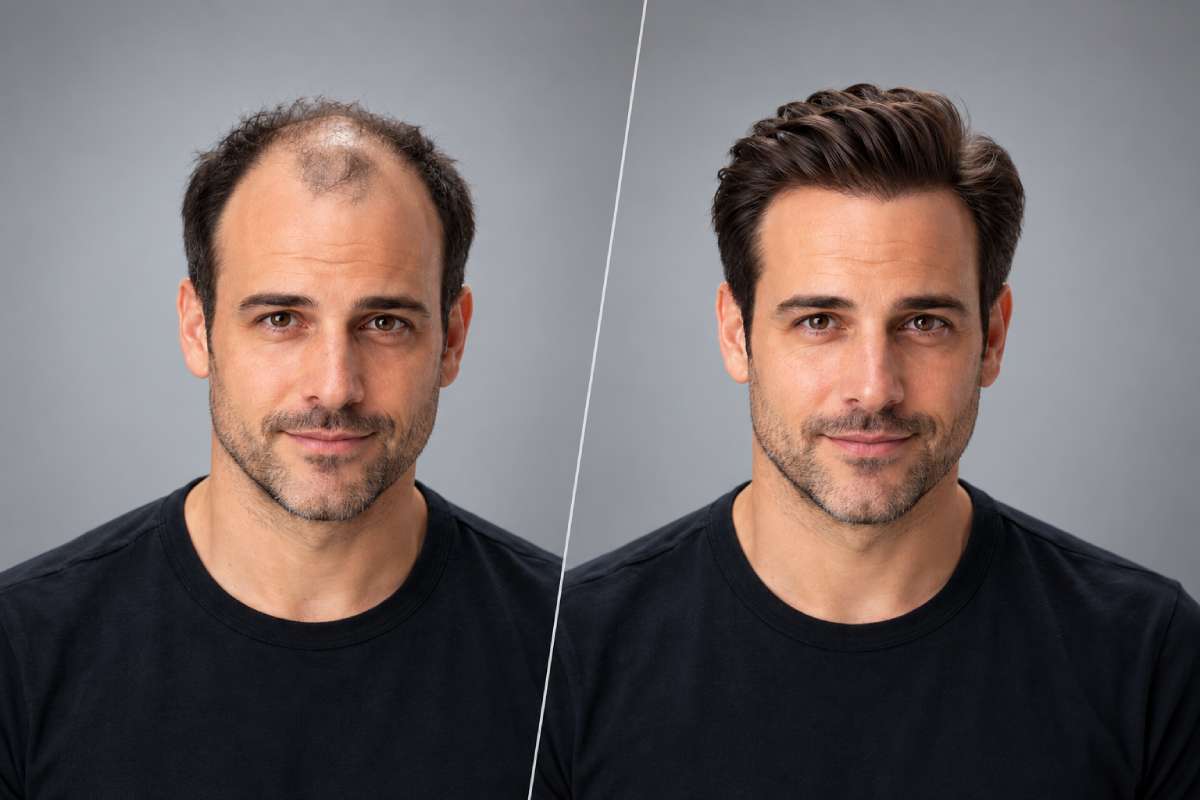
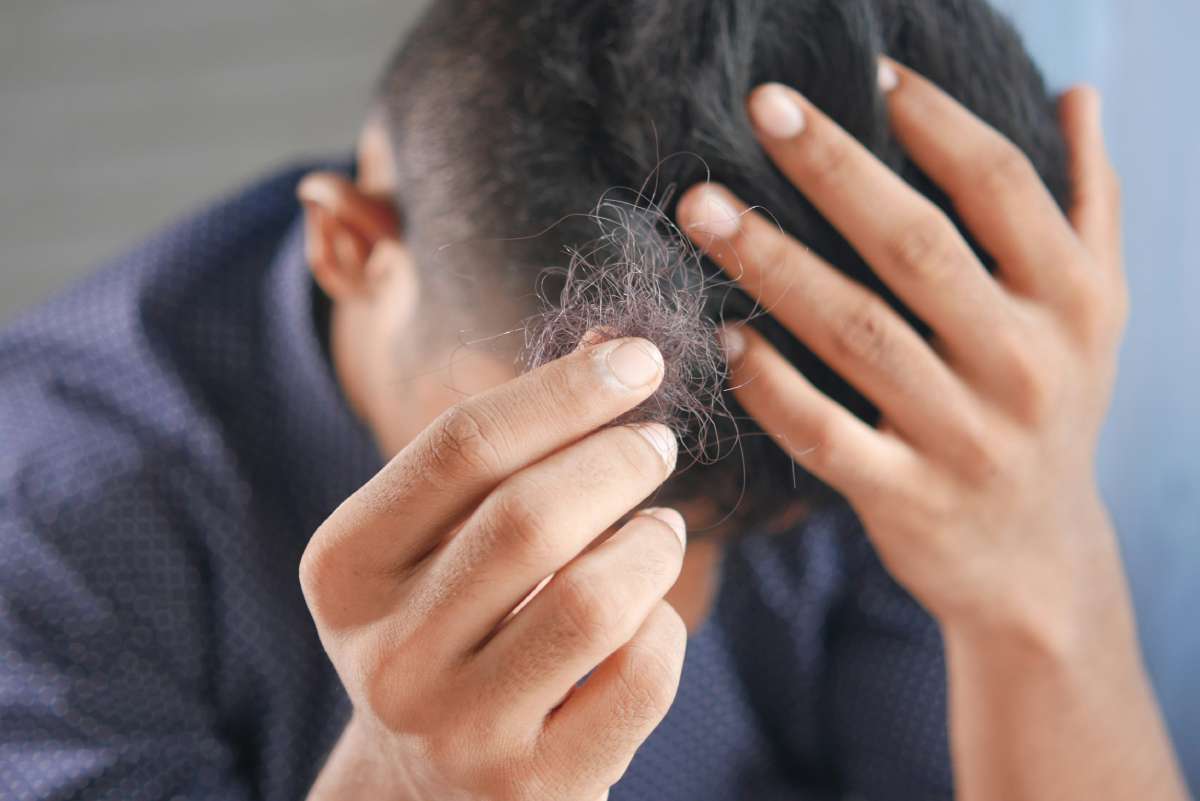
Telogen effluvium is a common type of temporary hair loss that happens when stress or a change in your body pushes many hairs into the resting phase at the same time. You may see more hair in your brush, your shower drain, and on your pillow. But the good news is, in most cases, the hair grows back on its own once the trigger is gone.
What Is Telogen Effluvium?
Telogen effluvium is temporary hair loss from too much shedding. The name just means “shedding from the resting phase.” Something triggers many hairs into the rest phase early, which leads to those hairs falling out of your scalp a couple months later.
Your hair grows in a cycle with three phases. The anagen phase is the growing phase. About 85 to 90 percent of your hair is growing at any given time. The catagen phase is a short transition phase. Telogen phase is the resting and shedding phase. Normally only about 5 to 10 percent of hair rests at once.
With telogen effluvium, that balance breaks. After a trigger, a large share of growing hairs shift into the rest phase too soon. While most healthy people lose up to 100 hairs a day, with this condition, you may lose up to 300 hairs a day. Your scalp still looks healthy, generally with no rash, pain, or itching; you just notice more hairs falling out than usual.
What Causes Telogen Effluvium?
The main cause of telogen effluvium is some type of shock to your body or mind. The shedding shows up 2 to 3 months after the event, so the cause is easy to miss. Many people have already recovered from the trigger by the time their hair starts to fall.
Common triggers include:
- A high fever or a serious infection, including COVID-19
- Having a baby, which is called postpartum shedding
- Major surgery, anesthesia, or a hospital stay
- Strong emotional stress, grief, or trauma
- Crash diets or low protein, plus fast weight loss
- Thyroid problems, both overactive and underactive
- Stopping birth control pills or other hormone shifts
- Some medicines, such as beta-blockers, retinoids, and certain antidepressants
- Nutritional deficiencies such as low iron or vitamin D
- Seasonal shifts, most commonly fall or spring
What Is the Telogen Effluvium Timeline?
Telogen effluvium follows a fairly steady path. Shedding starts about 2 to 3 months after the trigger and peaks over the next few months. After the shedding slows, new growth begins, and most people recover within 6 to 9 months.
When Does the Shedding Start?
There is a 2-3 month delay between the trigger and the shedding. This lag is why the cause is often hard to track down. You’ll have to think back a few months to help determine what trigger may have caused the shedding in the first place.
When Does the Hair Grow Back?
Once the trigger is gone, the follicles will reset, and new hairs start pushing out the old ones. You may notice short “baby hairs” along your part or hairline, but thickness can take 6 to 9 months, sometimes longer, to return to baseline.
Doctors split the condition into two types. Acute telogen effluvium lasts less than 6 months, and about 95 percent of these cases clear up on their own. Chronic telogen effluvium lasts longer than 6 months and may not have one clear cause.
Telogen Effluvium vs. Androgenetic Alopecia: How to Tell the Difference
The big difference is time and pattern. Telogen effluvium is temporary and spreads evenly across the scalp. Androgenetic alopecia, the medical name for pattern hair loss, is genetic and slowly gets worse. One sheds fast and recovers. The other thins slowly and stays.
| Feature | Telogen Effluvium | Androgenetic Alopecia |
| Is it permanent? | No. It is temporary. | Yes, without treatment. |
| Pattern | Diffuse thinning all over the scalp. | Receding hairline or thinning crown. |
| Speed | Fast, heavy shedding. | Slow thinning over years. |
| Main cause | A stressor or body change. | Genes and the hormone DHT. |
| Hairline | Usually stays intact. | Often recedes in men. |
| Typical recovery | Grows back in 6 to 9 months. | Will not grow back on its own. |
A quick home check helps. Look at photos of yourself from one or two years ago. A sudden, even change after a stressful event points to telogen effluvium, while a slowly receding hairline or thinning crown points to pattern loss. If you are not sure where you fall, the Norwood Scale can help you map out male pattern loss. Women often thin in a different way than men, which we cover in our guide on hair loss in women.
Curious whether a hair transplant is right for you?
Our doctors have been restoring hair in San Antonio since the 1990s. Get honest answers about your options in a consultation.
Schedule a ConsultationOr call (210) 496-9992
When Should You See a Specialist?
See a specialist if shedding lasts more than 6 months, keeps getting worse, or comes with a receding hairline. A dermatologist or hair restoration doctor can find the real cause. They can also rule out pattern loss and other scalp conditions.
A doctor may do a gentle “pull test,” where they pull a small group of 40 to 60 hairs. Pulling out more than 6 hairs with tiny white bulbs at the root suggests telogen effluvium. Your doctor will also ask questions about your health, diet, and recent stress to help make their determination.
Your doctor may also order simple blood tests to look for a hidden cause. Common labs include:
- Ferritin and iron studies, to check your iron stores
- Thyroid tests, such as TSH
- Vitamin D and vitamin B12 levels
- Zinc, if a deficiency is suspected
These tests matter because low iron or a thyroid problem can cause shedding to persist without intervention. Fixing the root cause is the fastest way to recover.
How Is Telogen Effluvium Treated?
The best treatment is to fix the trigger. Once the cause is handled, the hair usually returns on its own. You will not need a hair transplant for telogen effluvium, since the loss is temporary.
There are few things you can do to help support healthy regrowth along the way.
- Treat the cause, such as low iron, a thyroid issue, or high stress.
- Eat enough protein, aiming for about 40 to 60 grams a day.
- Find real ways to lower stress, and get 7 to 9 hours of sleep daily.
- Ask your doctor about minoxidil, a topical or oral medicine that can support growth. Our minoxidil guide answers common questions.
Be patient with regrowth. Hair grows about half an inch a month, so it takes time for new hairs to reach a length you can see and style. Try not to panic if you still spot loose hairs during the first few months.
Frequently Asked Questions
Will my hair grow back after telogen effluvium?
Yes, in most cases. Telogen effluvium is temporary, so the follicles stay alive and healthy. Once the trigger is gone, they start growing hair again. Most people see full regrowth within 6 to 9 months. If your hair does not bounce back, ask a specialist to check for another cause.
How much hair shedding is normal?
Losing up to 100 hairs a day is normal for most people. With telogen effluvium, you may lose up to 300 hairs a day. You might notice clumps in the shower or on your pillow. Heavy, sudden shedding that lasts for weeks is the key sign that something has shifted.
Is telogen effluvium the same as going bald?
No. Telogen effluvium causes even thinning, but it does not cause total baldness. Your hairline usually stays in place. Pattern baldness is different. It is genetic, slow, and permanent without treatment. The two can look alike early on, so a proper exam helps tell them apart.
Can stress alone cause hair loss?
Yes. Strong physical or emotional stress is one of the most common triggers. The stress pushes many hairs into the resting phase at once. The shedding then shows up about 2 to 3 months later. Managing the stress is a key part of recovery.
Should I take vitamins for telogen effluvium?
Only if you actually need them. Vitamins help when a blood test shows a real deficiency, such as low iron or vitamin D. Taking random supplements you do not need will not speed things up. Ask your doctor to test first, then treat any gaps they find.
Get a Clear Answer About Your Shedding
Sudden shedding is scary, but telogen effluvium is often temporary and treatable. The hard part is knowing whether your loss is this or the start of pattern hair loss. That is where an expert eye helps.
At Limmer Hair Transplant Center in San Antonio, our team can examine your scalp, review your history, and build a clear plan. Contact us to schedule a consultation and get real answers about your hair.