If you’ve been searching for ways to stop hair loss or boost thinning hair, you may have come across Nizoral shampoo. While it’s most often used to treat dandruff or a flaky scalp, some studies show it’s active ingredient, ketoconazole, might also help with certain types of hair loss. But how does it work, and is it really effective?
Let’s take a closer look at what Nizoral does, why some people use it for hair loss, and what you should know before adding it to your routine.
What Is Nizoral Shampoo?
Nizoral is a medicated shampoo that contains ketoconazole, an ingredient designed to fight fungus, typically yeast, on the scalp. It’s often used to treat conditions like seborrheic dermatitis (dandruff) and psoriasis, which can cause itching, flaking, and redness.
Ketoconazole shampoo comes in two strengths:
- 1% formula, which can be purchased over the counter as branded Nizoral.
- 2% formula, FDA approved in 1990 also as the brand name Nizoral but now available as a generic version, which requires a prescription.
Even though Nizoral is made to fight dandruff, many people have noticed it can also improve scalp health and possibly reduce hair shedding. That’s why some doctors and hair specialists recommend it as part of a broader hair loss treatment plan.
How Nizoral May Help with Hair Loss
Nizoral isn’t a magic fix for bald spots, but it might help slow down hair loss or improve scalp conditions that make it worse.
- Keeps the Scalp Clean and Healthy
Sometimes, a buildup of oil, dead skin, or yeast on the scalp can lead to irritation and inflammation. This can affect the hair follicles and make hair fall out more easily.
Ketoconazole helps by killing Malassezia, a type of yeast that lives on everyone’s scalp but can overgrow and cause dandruff or inflammation. By controlling this growth and reducing irritation, the scalp becomes a better environment for hair to grow.
- Reduces Inflammation Around Hair Follicles
Inflammation is one of the hidden reasons hair can thin or stop growing. Itchy or flaky scalp are signs of inflammation. By calming that inflammation, Nizoral can help keep hair follicles healthy and possibly allow for thicker, stronger hair over time.
- May Slightly Lower DHT Levels
DHT, short for dihydrotestosterone, is a hormone linked to androgenetic alopecia, also known as male or female pattern baldness.
Ketoconazole has a mild anti-androgen effect, meaning it could help block or reduce DHT in the scalp. While it’s not as strong or proven as medications like finasteride, even a small reduction in DHT might help slow hair thinning in some people.
What the Research Says
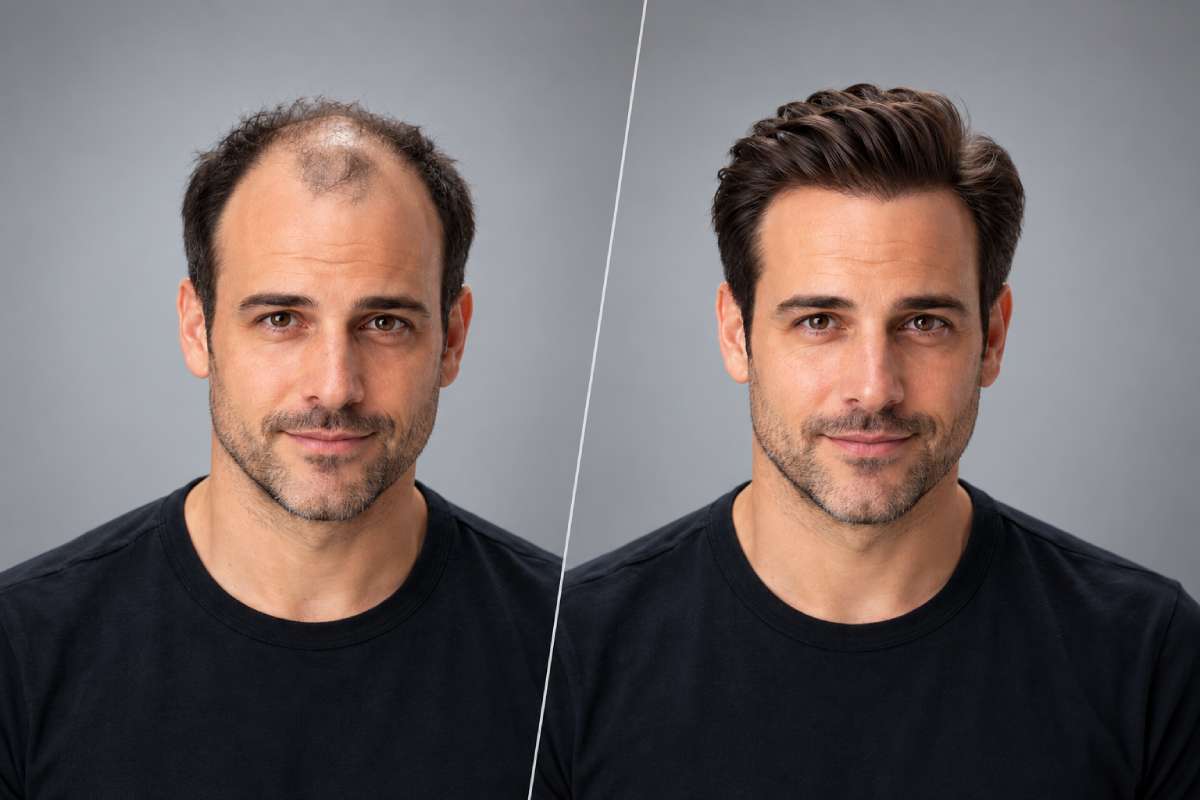
Studies on Nizoral and hair loss have shown generally positive results in androgenetic alopecia, especially in combination with other medications.
One of the earliest studies found that men who used 2% ketoconazole shampoo saw improvements in hair density, thickness, and the number of hairs in the growth phase. These results were similar to what researchers saw with 2% minoxidil, another well-known hair growth treatment.
Later reviews have also found that ketoconazole can help increase hair shaft diameter (the thickness of each strand) and improve the overall condition of the scalp. However, most experts agree that more research is needed before calling Nizoral a proven hair growth treatment.
What’s clear, though, is that it can improve scalp health, and a healthy scalp often leads to healthier hair.
How to Use Nizoral for Hair Loss
If you want to try Nizoral as part of your hair care routine, it’s important to use it correctly. Here’s how most people use it:
- Use it 2 to 3 times a week.
You don’t need to use it daily. Most experts recommend alternating it with a gentle shampoo. - Leave it on your scalp for about 5-10 minutes.
Letting it sit gives the ketoconazole time to work before rinsing it out. In order to accomplish this, try wetting your hair in the sink before your shower, apply the shampoo and lather some. While getting ready for the shower, the medicated shampoo will have more time to penetrate the scalp and be more effective. - Follow with a conditioner.
Nizoral can sometimes make your hair feel dry or coarse, so using a conditioner afterward can help soften it. - Give it time.
It may take 4–6 months to notice changes in your hair’s thickness or shedding rate. Consistency is key.
Curious whether a hair transplant is right for you?
Our doctors have been restoring hair in San Antonio since the 1990s. Get honest answers about your options in a consultation.
Schedule a ConsultationOr call (210) 496-9992
What to Expect from Nizoral
Nizoral can be a useful part of a hair loss treatment plan, especially for those dealing with dandruff or scalp irritation. But it’s important to keep your expectations realistic.
Nizoral alone probably won’t regrow hair if you’re experiencing significant hair loss from male or female pattern baldness. However, when used alongside other proven treatments like minoxidil or finasteride, it can help create a cleaner, healthier scalp that supports better results.
Hair specialists, like Drs Krejci and Limmer see Nizoral as an adjunct treatment, meaning it works best when combined with other treatments, not as a stand-alone treatment for hair loss.
Possible Side Effects
Most people use Nizoral without any issues, rarely some may experience side effects such as:
- Dryness or flakiness
- Mild irritation or redness
- A temporary increase in shedding (usually short-term as your scalp adjusts)
If you notice any severe itching, burning, or hair loss that seems to worsen, it’s best to stop using it and talk to your dermatologist.
Is It Safe to Use Nizoral After a Hair Transplant?
If you’ve had or are planning a hair transplant, your doctor may recommend Nizoral to help keep your scalp clean and reduce inflammation. It can be particularly helpful in preventing dandruff or infections that could interfere with healing.
However, timing is important. You should only start using Nizoral once your surgeon gives you the go-ahead, usually after the scalp has healed enough to handle shampooing again.
How Nizoral Fits into a Hair Loss Plan
Think of Nizoral as one piece of a bigger puzzle. It’s not a cure, but it can support your overall hair health by:
- Keeping your scalp clean and balanced
- Reducing dandruff and itching
- Supporting other treatments by improving scalp conditions
For people with seborrheic dermatitis or dandruff-related hair loss, Nizoral can be especially useful. And for those with androgenetic alopecia, it might add an extra layer of support alongside medications and, if needed, surgical hair restoration.
Is Nizoral Right for You?
Nizoral shampoo can play a helpful role in keeping your scalp healthy and may even support hair growth in some cases. The prescription ketoconazole 2% formula appears more effective than the 1%, though both can improve scalp health when used correctly.
If you’re noticing hair loss or thinning, it’s best to talk to a hair transplant specialist or dermatologist before starting Nizoral or any new treatment. They can help you understand what’s causing your hair loss and recommend the right combination of therapies to achieve the best results.
A clean, balanced scalp is a great foundation for any hair growth plan, and Nizoral may be just the boost your scalp needs to get there.