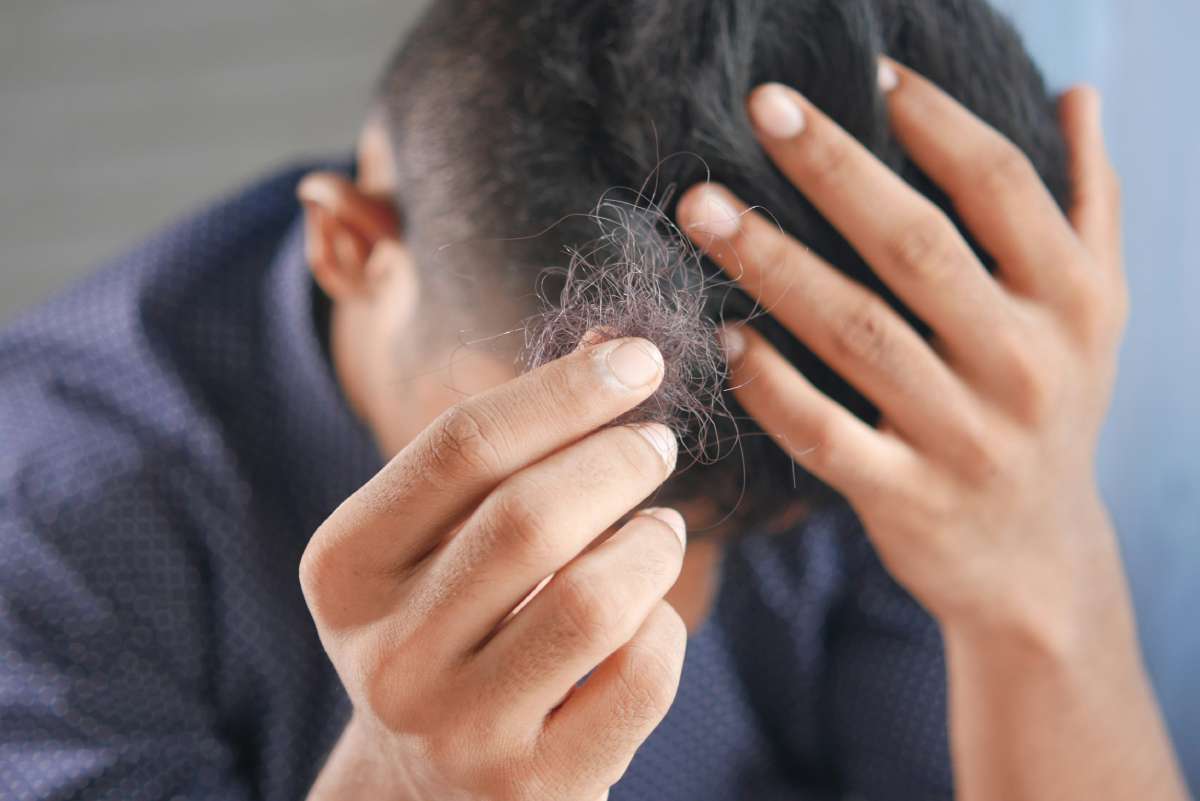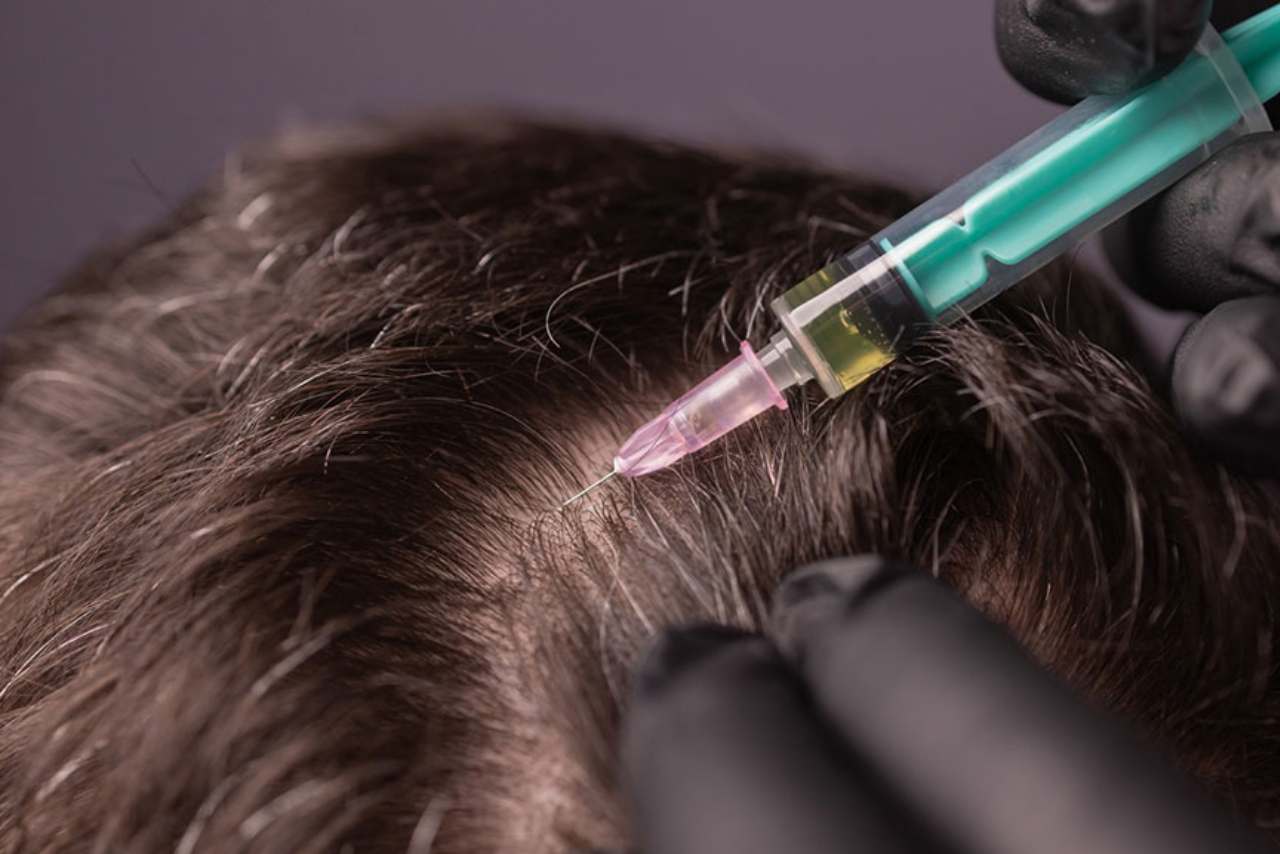
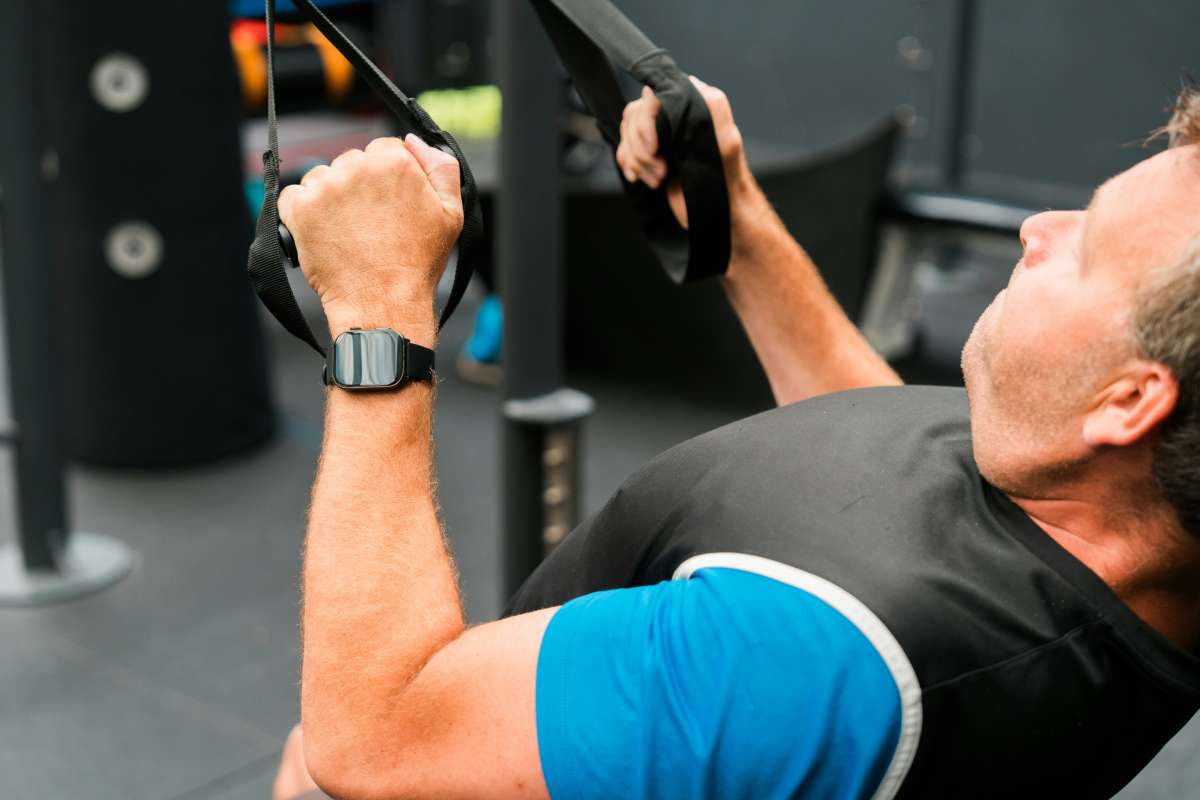
If you work out regularly, one of your first questions after a hair transplant is probably, how long until I can get back to the gym?
That is a fair question. A lot of people feel frustrated when they read advice like “no exercise for a month,” but the truth is more nuanced. Your recovery depends on what kind of activity you are talking about and how far you are into the healing process.
Here is a clear, practical breakdown of what we, at Limmer Hair Transplant Center, tell our patients about exercise and physical activity after surgery.
Key Takeaways
- After 10 days, your grafts are fully anchored, and it is very hard to damage them through normal exercise.
- Swimming, CrossFit, inverted yoga, helmets, and contact sports should be avoided for the first 10-14 days.
- Sweating is not a concern after a hair transplant, even in a hot climate like San Antonio.
Why Timing Matters in the First Days After Surgery
When your surgeon transplants hair grafts, those grafts sit in tiny incisions in your scalp. For the first several days, they are not fully anchored yet and can be very sensitive. The body is clotting around them and beginning to form new tissue connections.
During this early window, two things can displace a graft. One is physical trauma to the head. Think bumping your scalp, rubbing it hard, or putting direct pressure on the transplanted area. The other is a sharp spike in blood pressure, which can push grafts out of their sites before they have settled in.
That is why the first 10-14 days are crucial when it comes to allowing the transplant sites to heal. After that point, your grafts are locked in, and the rules relax significantly.
Days 1 and 2: Basic Aftercare and Rest
The day of surgery and the day after, your one job is to follow your post-op care instructions.
Patients should apply triple antibiotic ointment to the donor area (where the healthy follicles were harvested) for at least the first week. Patients also apply an ATP spray directly to the grafts to support early healing.
If you choose, you can wear a loose-fitting hat right after surgery. One that sits lightly on the head will not disturb grafts; just avoid anything tight or snug against the scalp.
Light walking is fine from day one. If you feel up for a short stroll around the block, go for it.
Days 3-10: Easy Movement Is Fine
During this stretch, you are still in the most sensitive phase of recovery. But that does not mean you need to stay on the couch.
Walking is fine. An easy jog is fine. A stationary bike ride at low resistance is fine. The goal is to keep your heart rate moderate and avoid anything that causes a sharp rise in blood pressure.
Activities to skip during days 3-10:
- Swimming or any activity that submerges your scalp in water
- CrossFit or high-intensity interval training (HIIT)
- Golf, tennis, or racket sports
- Inverted positions such as downward dog in yoga or head-down Pilates movements
- Activities that require a helmet, like rock climbing or mountain biking
- Contact sports or anything with a real risk of falling and hitting your head
A loose hat is still fine during this window if you want to cover the transplanted area when you go outside.
After 10-14 Days: You Are Mostly in the Clear
This is the milestone that surprises a lot of patients. After 10-14 days, it is very hard to hurt your grafts.
The grafts are anchored. Your scalp has formed new tissue around them. Normal daily activity, including most forms of exercise, will not dislodge them at this stage.
The 10-day mark is when most patients get the green light to resume the gym. There are still a few things to hold off on a bit longer, but the major restrictions are lifted. We would recommend holding helmet use until day 14 if possible.
This is a shorter timeline than you might experience at other clinics. The reason is straightforward. Grafts do not need months to become secure. They need days. By 10-14 days out, the biology has done its job.
Curious whether a hair transplant is right for you?
Our doctors have been restoring hair in San Antonio since the 1990s. Get honest answers about your options in a consultation.
Schedule a ConsultationOr call (210) 496-9992
A Word on Sweating, Especially in San Antonio
A lot of patients see warnings online saying to avoid all exercise for two weeks because sweat can infect or loosen grafts.
Sweat is sterile when it leaves your body. It only picks up bacteria when it mixes with the normal bacteria already living on your skin. This is the same for everyone, including on a healing scalp. In south Texas, where summers are long and avoiding sweat is basically impossible, telling a patient not to sweat is not realistic advice. And more importantly, it is not necessary.
What does matter is avoiding infection from outside sources. That is why swimming and submerging your scalp are restricted early on. Pool water, lake water, and ocean water carry bacteria that can cause real problems. But the sweat from a brisk walk or an easy jog? That is not a risk.
When Can You Get a Haircut?
Even after the 10-day mark, hold off on haircuts and hair treatments for a bit longer.
Most patients still have some redness and residual suture material in the first two weeks. Your stylist does not need to be working around a healing scalp during that window. We do allow FUE patients to blend the shaved donor area into their existing hair style around days 7-10.
By the two-to-four-week mark, sutures have dissolved and redness has cleared or nearly cleared. At that point, a gentle haircut is completely fine. We recommend waiting 4 weeks for coloring, hair treatments, and the use of scalp camouflage products.
Quick Reference: Activity Timeline After a Hair Transplant
Here is a simple summary of activity guidelines:
| Timeframe | What You Can Do | What to Avoid |
| Days 1-2 | Light walking, post-op wound care, loose hat OK | Strenuous activity, swimming |
| Days 3-10 | Easy walking, light jogging, stationary bike | Swimming, CrossFit, golf, tennis, inverted yoga, helmets, contact sports |
| After 10-14 Days | Most gym activities, running, weightlifting, swimming | Hair treatments |
| 2-4 Weeks | Full activity, haircuts, hair treatments | N/A |
Planning Your Recovery Around Your Active Life
If you work out regularly and are thinking about a hair transplant, the recovery timeline should not be a dealbreaker. Most patients are back to their normal routine within one to two weeks.
The best thing you can do is schedule your procedure during a time that allows for a few easy days at the start. After that, you will be walking, jogging, and doing most of your normal activities while your hair grows in.
Ready to Take the Next Step?
Whether you are a weekend warrior or a serious athlete, a hair transplant fits into an active lifestyle better than most people expect. Our team at Limmer Hair Transplant Center has been helping patients in San Antonio and across the country restore their hair since the 1990s.
Contact us today to schedule a consultation and talk through what recovery would look like for your lifestyle.