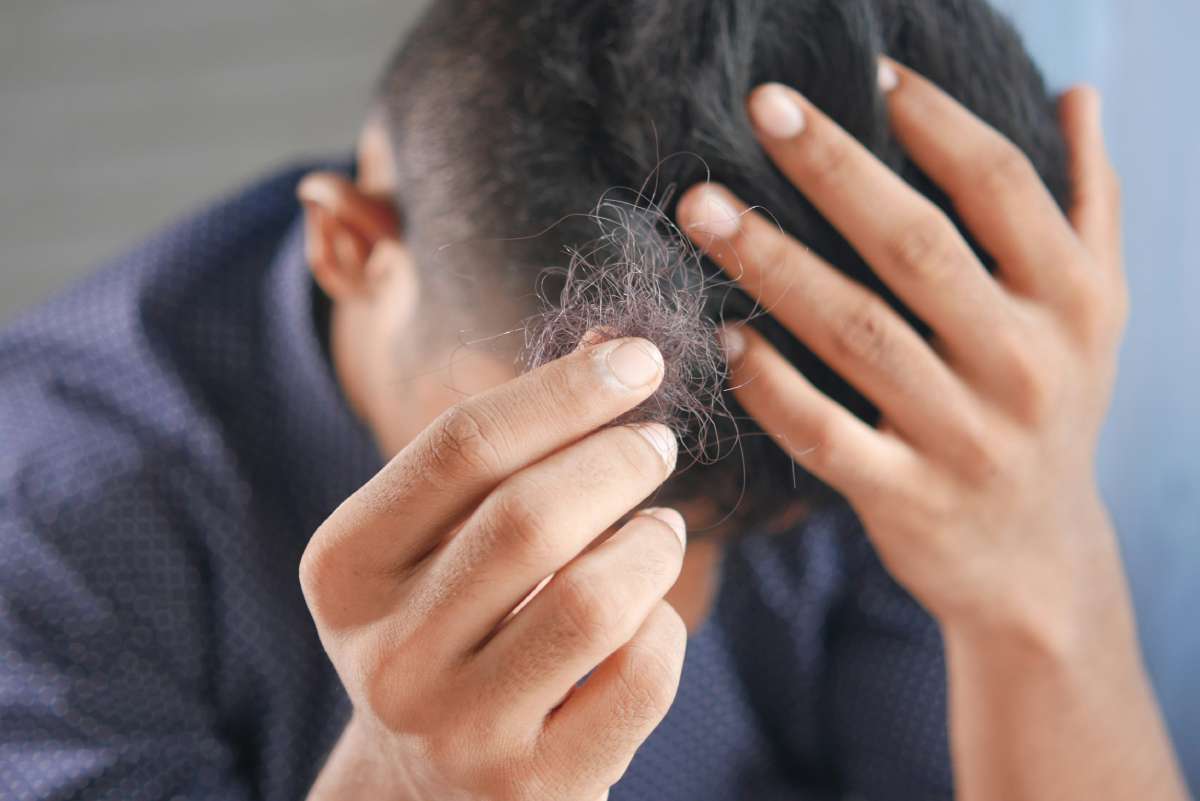
It can be surprising to see more hair on your pillow, in your brush, or in the shower drain as the seasons change. For many, this raises the question: is hair shedding just a normal part of life, or is something wrong?
The truth is that a little extra hair loss during certain times of the year is common, and in most cases, it is nothing to worry about. This is called seasonal hair shedding, and it happens because our hair grows in natural cycles that can be influenced by changes in weather, daylight, and even our health.
While seasonal shedding is often temporary, it can sometimes be made worse by vitamin or mineral deficiencies, stress, or underlying hair loss conditions. Understanding how seasonal shedding works, when it is normal, and when it could be a sign of something more can help you feel confident about your hair’s health.
Why Do We Lose More Hair in Certain Seasons?
While it might be concerning, it is common to notice more hair in your brush or shower drain during certain times of the year. Each hair goes through three stages: a growth phase, a resting phase, and then a shedding phase. When many hairs reach the resting stage at the same time, they fall out together.
Studies have shown that the biggest shed happens in late summer through early fall, usually from August to October. A smaller shed often happens in the spring, around April. These patterns are thought to be linked to changes in daylight, temperature, and even hormonal shifts. Winter tends to be when shedding is at its lowest, so hair often looks fuller during the colder months.
Is Seasonal Hair Shedding a Problem?
For most men and women, seasonal shedding is temporary and harmless. The extra hair you lose will grow back within a few months, and your overall hair density will stay the same. If the shedding follows the same pattern each year and your hair returns to its normal fullness, it is usually nothing to worry about.
However, if shedding becomes heavier than normal, lasts longer than two or three months, or leads to visible thinning or bald spots, it may be a sign of something else.
A receding hairline, a growing bald spot at the crown, or patches of missing hair are not typical for seasonal shedding. Scalp redness, itching, or flaking are also signs that you should see a doctor.
Could a Vitamin or Mineral Deficiency Be the Cause?
While seasonal shedding is natural, low levels of certain nutrients can make it worse.
Vitamin D helps regulate the hair growth cycle, and low levels have been linked to increased shedding. B vitamins like biotin and B12 support hair strength, while iron helps deliver oxygen to your hair follicles so they can grow properly. Without enough of these nutrients, hair can become weak and more likely to fall out.
If you suspect a deficiency, a doctor can run simple blood tests and recommend safe supplements.
Avoid taking high doses of vitamins on your own, since too much of certain nutrients, such as vitamin A or selenium, can actually cause more shedding.
Curious whether a hair transplant is right for you?
Our doctors have been restoring hair in San Antonio since the 1990s. Get honest answers about your options in a consultation.
Schedule a ConsultationOr call (210) 496-9992
When to See a Doctor About Shedding
Some shedding is normal, but you should seek professional advice if you notice any of the following:
- Shedding that does not slow down after two or three months
- Visible thinning or bald spots that were not there before
- New hairs growing back much finer than before or no regrowth at all
- Persistent scalp irritation such as redness, flaking, or itching
- Other symptoms like fatigue or unexplained weight changes
A dermatologist or hair restoration specialist can determine whether your shedding is seasonal or caused by another issue and recommend a treatment plan if needed.
How to Care for Your Hair During Seasonal Shedding
Most seasonal shedding does not require medical treatment. Instead, focus on keeping your hair and scalp healthy during these times. Eating a balanced diet with enough protein, staying hydrated, and getting the right vitamins and minerals can all help.
Treat your hair gently by avoiding tight hairstyles, harsh chemical treatments, and excessive heat styling. Using a mild shampoo and conditioner will keep your scalp clean and hydrated. It is also important to protect your hair from the sun, chlorine, and cold winds.
Stress can also play a role in hair shedding, so finding ways to relax can make a difference. Getting enough sleep, exercising regularly, and practicing relaxation techniques can help keep your hair growth cycle running smoothly.
Seasonal Hair Shedding is Normal
Seasonal hair shedding is a natural and temporary change that most people experience. It is most common in late summer and early fall, with a smaller shed in the spring. While it can be frustrating, this type of hair loss does not usually cause lasting thinning.
Paying attention to your hair’s patterns, maintaining healthy habits, and seeing a doctor when something feels off will help keep your hair looking its best all year long.