
Key Takeaways
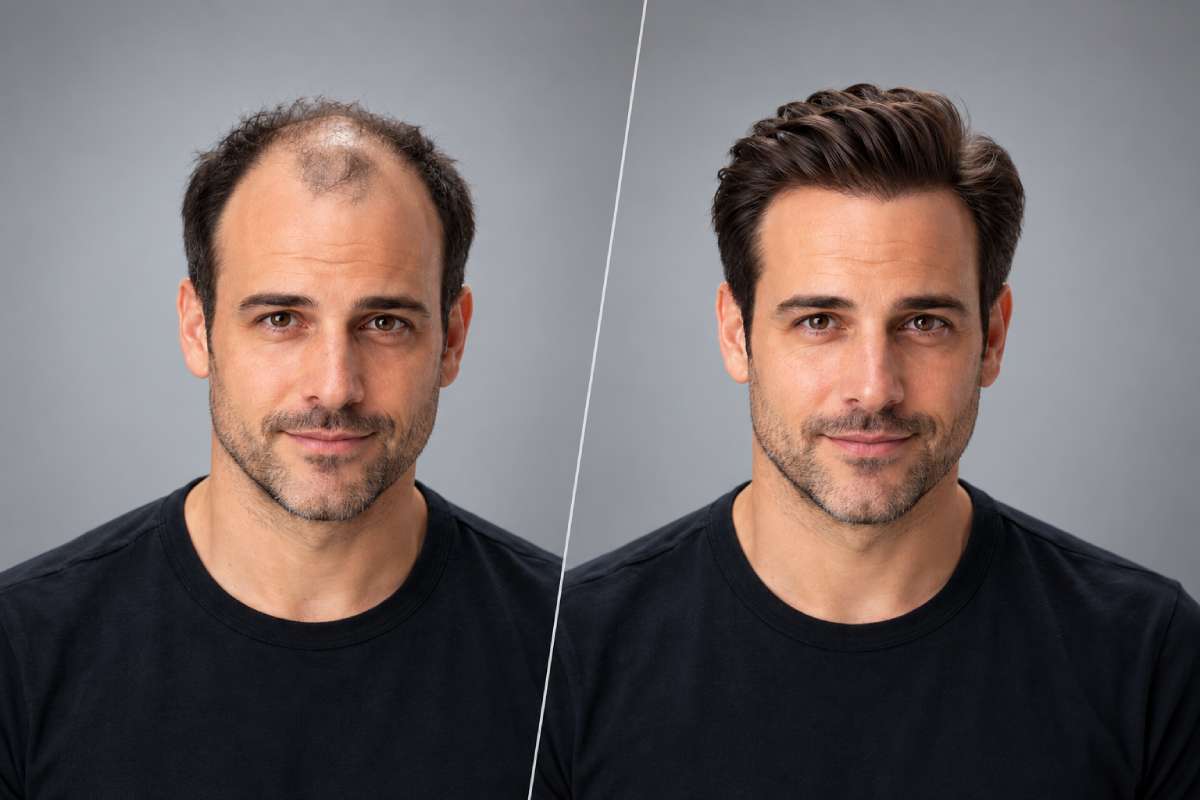
- Finasteride is highly effective at slowing hair loss and promoting regrowth, with FDA data showing better results than placebo in controlled studies.
- Sexual side effects are possible but uncommon – affecting about 3.8% of men in year one, with rates dropping to less than 0.3% by year five.
- For most men who experience side effects, they resolve within weeks to months of stopping finasteride and sometimes even while continuing treatment.
A recent New York Times article raised important questions about finasteride, a medication millions of men take to treat hair loss. The piece captures something real that isn’t often talked about: many men worry about the drug’s side effects or what the drug may affect outside of hair growth.
But here’s the problem. The article focuses too much on fear and personal stories than the actual numbers. The NYTM piece itself admits finasteride is “remarkably effective” and that “a vast majority of the time” side effects resolve after stopping. Yet much of the article focuses on anxiety, Reddit threads, and worst-case scenarios.
Finasteride’s side effect are definitely worth discussing, especially with your prescriber, but these conversations should be based on data, not on the loudest voices online.
Why Finasteride Became So Common
Male pattern hair loss affects two-thirds of men by their mid-30s and used to be accepted as inevitable. Most men would just chalk it up to something that happens as they age and move on.
In 1997, that mentality started to shift when finasteride came to market as Propecia. It was the first oral medication that actually worked to help with hair loss, and to this day, finasteride is only one of two FDA-approved medications for male pattern hair loss (androgenetic alopecia), with the other medicine being topical minoxidil. On finasteride, hair counts improved. Hair stayed. Men could see the difference.
By 2013, generic finasteride became available. A month’s supply costs as little as five dollars at many pharmacies, and today telehealth makes it easier than ever to get a prescription. However, we still urge people suffering with hair loss to visit a hair loss specialist in person before starting on any new medications or treatments.
For the first time, men had an affordable and effective pill to slow or stop hair loss. It’s no wonder prescriptions for the drug have skyrocketed over the years.
What the Data Actually Says About Finasteride Effectiveness
Finasteride works. Let’s start there.
In controlled clinical trials, men taking finasteride had more hair growth than men taking a placebo. Not slightly more. Meaningfully more. After one year, men on finasteride had about 107 additional hairs in the monitored area. After two years, that number grew to 138 additional hairs.
Lost hair also grew back. In most studies, a majority of men on finasteride saw regrowth of hair that had been lost. Not everyone achieved a thick, full head of hair, but many saw real, measurable improvement.
The mechanism by which the drug works is pretty straightforward. Finasteride lowers DHT, a hormone tied to male pattern hair loss. With less DHT in the scalp, hair follicles stop shrinking and have a chance to produce thicker, longer hair again.
One important thing to note is that finasteride only works while you take it. When men stop, DHT levels rebound, and hair loss usually resumes within about six months. But while taking it, the drug does what it’s designed to do.
Yes, Finasteride Side Effects Are Real, But the Numbers Matter
This is where the conversation gets honest. Finasteride can cause sexual side effects; that’s true. Some men experience low libido, erectile dysfunction, or ejaculation problems.
Here are the actual numbers from FDA clinical trials:
In the first year, decreased libido occurred in 1.8% of men on finasteride versus 1.3% on placebo. Erectile dysfunction happened in 1.3% on finasteride versus 0.7% on placebo. Ejaculation problems occurred in 1.2% on finasteride versus 0.7% on placebo.
When you add those together, one or more sexual side effects occurred in 3.8% of men on finasteride in year one, compared to 2.1% on placebo.
That means 96.2% of men experienced no sexual side effects in year one.
Does 3.8% represent a small number or a big number? That depends on your perspective. It’s a small enough rate that these adverse events are not what happens to most men, but it’s a large enough rate that if you’re one of those men, it matters to you.
The key point is that “possible” is not the same as “probable.” Sexual side effects are possible, but they’re just not what most men experience.
Are Side Effects Permanent?
This is the question that haunts many men considering the drug. If I take finasteride and experience a side effect, will it go away?
For most men, the answer is yes. According to the FDA label, in men who stopped taking finasteride because of side effects, symptoms resolved. And in most men who continued taking the drug, side effects also improved or went away.
By year five of treatment, the incidence (rate of new events) of each sexual side effect had dropped to 0.3% or less. And many men who stayed on the drug experienced improvement in observed side effects.
That said, we need to be truthful about rare cases. Some men have reported that sexual side effects or other symptoms persisted after stopping finasteride. This is sometimes referred to as post-finasteride syndrome. But here’s what the science says: this appears to be exceedingly rare. A 2022 FDA review stated that current research does not provide reasonable evidence of a causal link between finasteride and persistent sexual symptoms.
The bottom line is that for most men who experience side effects, they are not permanent. They will improve after stopping the medication and sometimes even while staying on it. Persistent symptoms have been reported but appear to be rare and remain controversial among researchers.
Curious whether a hair transplant is right for you?
Our doctors have been restoring hair in San Antonio since the 1990s. Get honest answers about your options in a consultation.
Schedule a ConsultationOr call (210) 496-9992
Why Internet Horror Stories Hit So Hard
The NYTM article spends considerable time on Reddit, group chats, TikTok, and online forums where men discuss their experiences with finasteride. There’s a reason for this – the internet amplifies the scariest stories.
If 100 men take finasteride and 97 have no problems, those 97 don’t post about it. They just take the drug and move on with their lives. But the 3 men who had issues? They post. They write detailed accounts. And they warn others about their personal experiences.
Social media platforms and Reddit threads are not a random sample of reality. They’re a collection of people with strong experiences, and a lot of times, they’re negative experiences. This creates a false sense of how common side effects actually are.
Interestingly, this prevalent chatter introduces another factor to the story. It’s called the nocebo effect. The nocebo effect is when expecting a side effect actually makes you more likely to experience one.
According to research published in The Journal of Sexual Medicine, 43.6% of men who were warned about potential sexual side effects before taking finasteride reported side effects, compared to only 15.3% of men who were not warned. That’s a significant difference driven by expectation, not by the drug itself.
This isn’t to say online stories are false. Some men genuinely struggle with side effects. But the overall picture you get from social media is distorted, as it leans heavily toward anxiety and worst-case scenarios. That’s not how data-driven decisions should be made.
Why Many Men Still Decide Finasteride Is Worth It
Despite the risks, millions of men take finasteride. Why?
This is because for many men, the benefits outweigh the risks. Hair loss affects more than just appearance. It affects confidence and how men feel about themselves. The NYTM article itself captures this when it profiles men whose lives improved after treating their hair loss. One man went from being anxious and withdrawn to volunteering, public speaking, and joining a CrossFit competition. He felt more confident. People treated him differently.
This is not superficial. Quality of life matters. Emotional wellbeing matters. For men struggling with hair loss anxiety, finasteride offers real relief.
There’s also a timing factor. Finasteride works best when started early, before significant hair loss has occurred. Once hair follicles are completely dead, medication won’t help, and a hair transplant becomes the only option. That’s more expensive, more invasive, and not suitable for everyone.
When a man weighs the risks and benefits with accurate information and with guidance from a qualified doctor, many will decide that finasteride is the right choice.
Making an Informed Decision
So what should you do if you’re considering finasteride?
Talk to a dermatologist or hair restoration specialist. Not a Reddit thread. Not an influencer. A doctor who can evaluate your specific situation, discuss your concerns, and help you weigh the actual risks against the actual benefits for you.
Go in informed. Know that finasteride is highly effective for most men. Know that side effects are possible but uncommon. Know that for most men who experience side effects, they improve or resolve. And know that persistent symptoms are rare and still debated.
Consider starting early if you’re beginning to notice hair loss. Finasteride prevents future loss and promotes regrowth. It works best when you don’t wait.
And if you do take finasteride and experience side effects, don’t panic. Tell your doctor. Many side effects resolve on their own or improve significantly within a few weeks. Your doctor can help you weigh the various options you have.
Should I Take Finasteride?
Finasteride is not risk-free, no medication is, but the risk of serious, permanent side effects is small. Decades of use, millions of prescriptions, and controlled clinical data all point to the same conclusion: for most men, finasteride is safe and effective.
The fear around finasteride is often much larger than the actual numbers justify. That fear is amplified by online culture, social media, and legitimate but rare cases of persistent side effects that get disproportionate attention.
If you’re losing your hair, you deserve accurate information to make your own decision. Not fear-based information. Not worst-case scenarios presented as typical. Data. Real numbers. A balanced picture.
At Limmer Hair Transplant Center, we help men every day decide among medication, PRP, hair transplants, and combinations of hair loss solutions and treatments. We know that a one-size-fits-all approach doesn’t work. Every man’s situation is different. But we also know that the first step is getting accurate information.
If you want to discuss your options with a specialist who can answer your specific questions about finasteride, hair loss, and treatment, schedule a consultation with Limmer Hair Transplant Center. We’re here to help you make the right decision for your hair and your life.