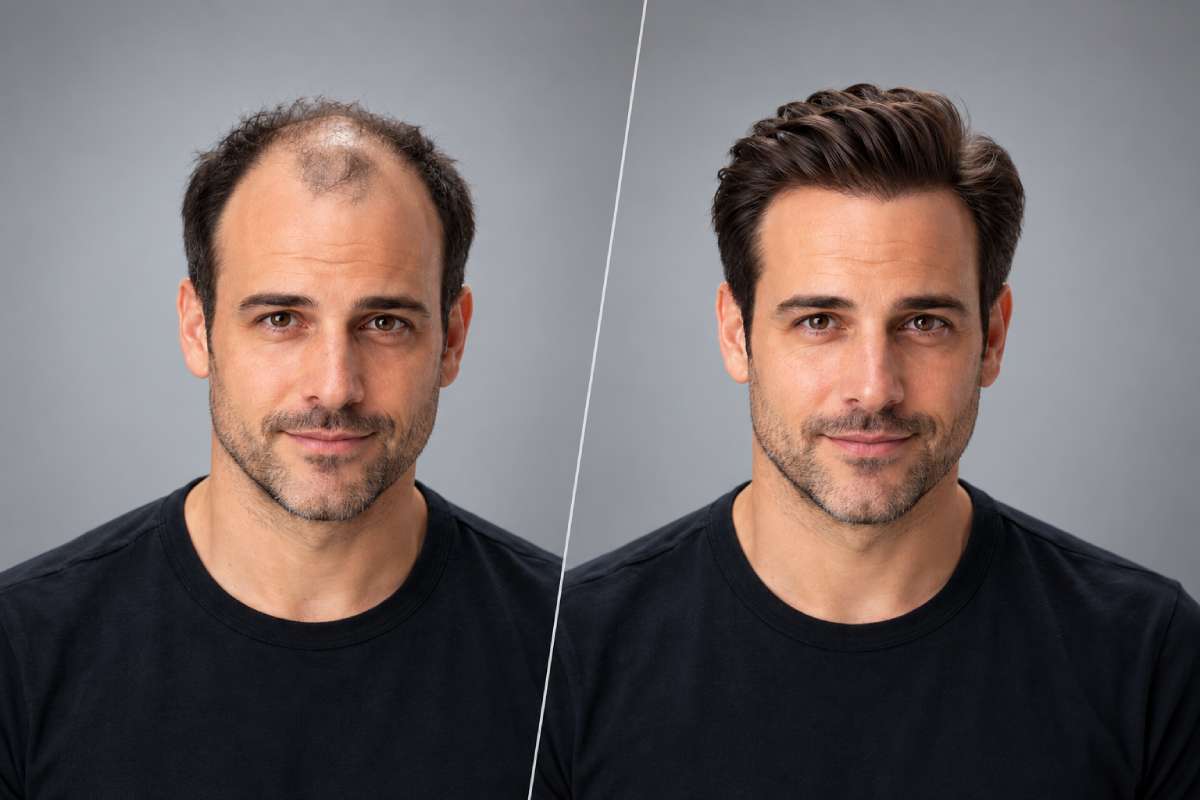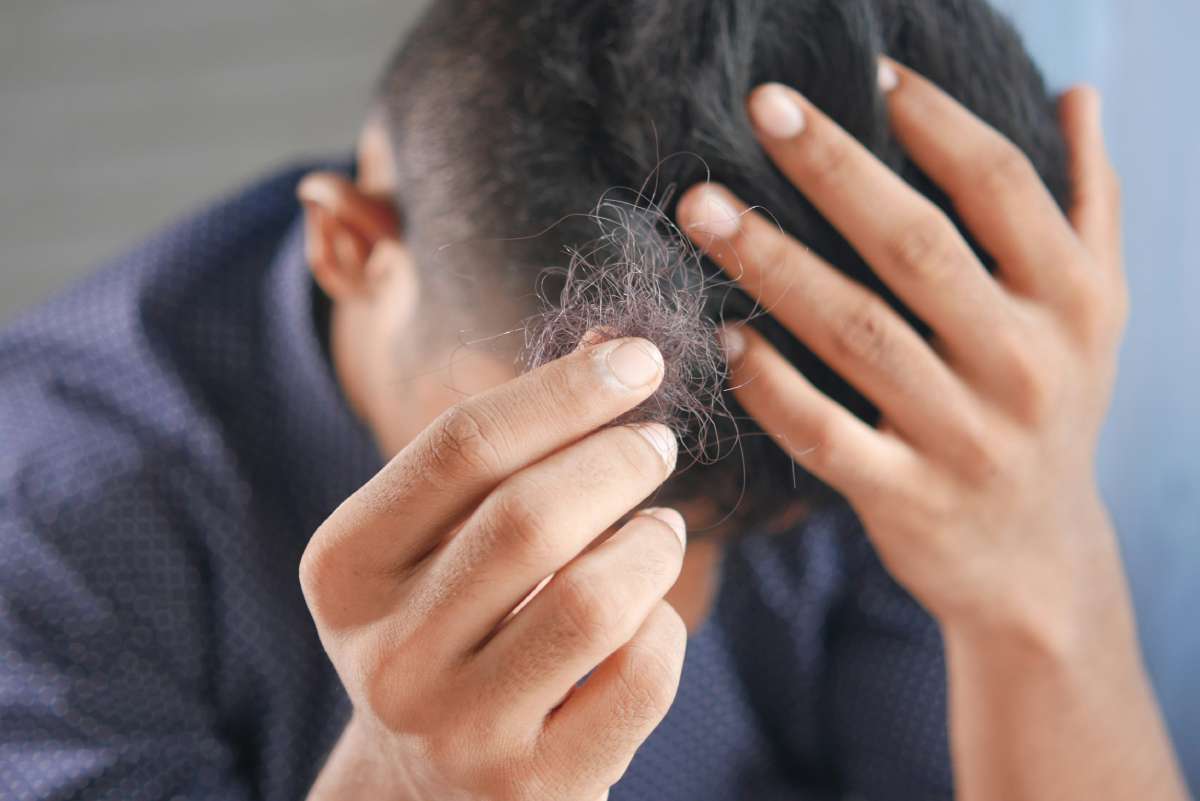
Finding extra hair on your brush or pillow can be scary, and if you started a new medication recently, you might wonder if the two are connected. Many people don’t realize that certain medicines can cause hair loss as a side effect.
The good news is that this hair loss related to medicine is usually temporary. Many common medications can lead to hair shedding, and it helps to understand which types of drugs are often to blame and how they affect your hair.
How Can Medications Cause Hair Loss?
Different medications can affect your hair by upsetting its natural growth cycle. Hair grows in stages with a growing phase and a resting phase. When a medication disrupts this cycle, it can lead to two types of hair loss:
- Telogen effluvium: This is a fancy term for excessive hair shedding. It happens when a stress on the body (like a new medication, surgery, or illness) pushes a large number of hair roots into the resting phase at the same time. After a few months, those hairs will fall out all at once, and you might notice extra hair coming out when you brush or wash your hair. Telogen effluvium usually causes thinning all over the scalp (not just one patch), but the important thing to remember is that it’s typically temporary. Once the body adjusts or the cause is removed, the hair often regrows.
- Anagen effluvium: This type of hair loss happens during the active growing phase of hair. It’s usually caused by powerful medications that attack fast-growing cells, like some cancer treatments. Anagen effluvium can make hair fall out very quickly, often in clumps. For example, people on chemotherapy might notice large amounts of hair coming out just a couple of weeks after starting treatment. In the case of anagen effluvium, the hair usually starts to grow back once the medication is finished and out of your system; however, it is not uncommon for people to note that their regrowth has a different texture or curl pattern than before.
Now that we know the two main ways medications can cause hair loss, let’s look at which medicines are common culprits. Remember, not everyone who takes these drugs will experience hair loss, but it’s helpful to know what’s possible.
Why Does Chemotherapy Cause Hair Loss?
Chemotherapy drugs used to treat cancer are well-known for causing hair loss. Chemotherapy works by killing fast-growing cells. Cancer cells grow extremely fast, but so do the cells in your hair roots. Unfortunately, chemo cannot tell the difference between the cancer and your hair, so it attacks both. This is why many people receiving chemo notice their hair falling out.
The hair loss from chemotherapy is usually temporary, and in most cases, hair will start to grow back a few weeks to months after treatment ends.
To help with chemo-related hair loss, some patients use cold caps (scalp-cooling devices) to try to reduce how much hair they lose by restricting blood flow, and therefore medication delivery, to the hair follicles. But even if you do lose a lot of hair, remember that it almost always grows back after you’re done with chemo.
It’s not just chemotherapy, though; other cancer treatments can cause hair loss, too. For example, certain targeted therapies or hormone-blocking treatments (like some used for breast cancer) may lead to thinning hair as well. These cases usually present more mildly as episodes of telogen effluvium or premature patterned hair loss rather than the rapid and severe anagen effluvium caused by chemotherapy agents.
If you’re undergoing cancer treatment, your doctor can tell you what to expect and how to manage any hair changes during this time.
Can Antidepressants Cause Hair Loss?
Antidepressants are medications used to treat depression, anxiety, and other mood disorders. These medicines help many people feel better, but in some cases, they may cause your hair to thin.
Not all people on antidepressants will have this side effect. In fact, it’s uncommon to experience this while taking these types of medication. But it can happen with various kinds of antidepressants.
If you take an antidepressant and see extra hair in your brush, it could be a possible cause but is not something to be immediately alarmed about. Some people have reported hair thinning with medications like bupropion or certain SSRIs (a common type of antidepressant).
The reassuring news is that this hair loss is usually not permanent (it will grow back). If an antidepressant is causing your hair to thin, your doctor might adjust the dose or switch you to a different medicine.
Do not stop taking your antidepressant on your own, though! Always talk to your healthcare provider. They can help you change medications safely or suggest treatments to help with the hair loss while keeping your mental health on track.
Can Blood Thinners Cause Hair Loss?
Blood thinners, also known as anticoagulants, are medications used to help prevent blood clots. Common examples include warfarin and heparin, as well as newer drugs like apixaban (Eliquis) or rivaroxaban (Xarelto). These medications can be lifesaving, but some people have noticed hair loss while taking them.
Hair loss from blood thinners can appear a few weeks to even months after you start the medicine, and if you suspect your blood thinner is making your hair fall out, talk to your doctor. There may be alternative medications or treatments you can try. But remember, don’t stop taking a prescribed blood thinner without medical advice; preventing clots is very important if a doctor has prescribed these medications for you.
The good news is that usually once you stop or switch the medication (under a doctor’s guidance), the excessive shedding will slow down, and your hair can grow back.
Can Acne Medications Cause Hair Loss?
Certain acne treatments can lead to hair thinning. The most notable example is a strong acne medication called isotretinoin (formerly known by the brand Accutane). This drug is a form of vitamin A (a retinoid) and is very effective for severe acne. However, isotretinoin can sometimes trigger telogen effluvium and cause hair loss while it’s working to clear your skin.
If you are on an acne medication like isotretinoin and notice extra hair in the shower drain, this could be the reason.
The chance of hair loss tends to be higher with high doses of the medication, but the bright side is that this hair loss is usually temporary. Acne treatments like this are often given for a limited time (usually less than one year per course). Once the treatment period is over, the hair shedding typically stops, and your hair can begin to regrow.
As always, if hair loss is worrying you, let your dermatologist or doctor know. They might adjust your dose or suggest ways to support your hair, like taking extra biotin, while you’re on the medication.
Curious whether a hair transplant is right for you?
Our doctors have been restoring hair in San Antonio since the 1990s. Get honest answers about your options in a consultation.
Schedule a ConsultationOr call (210) 496-9992
Can Birth Control and Other Hormonal Medications Cause Hair Loss?
Hormones have a big effect on hair growth, so it’s no surprise that hormonal medications can sometimes cause hair loss. One common example is the birth control pill.
Birth control pills change the levels of certain hormones in your body to help prevent pregnancy. In some women, though, this hormone shift can make hair go into a shedding phase. You might notice your hair feeling a bit thinner a few months after starting or changing your birth control.
Not all birth control pills carry the same risk for hair loss, as some types are more likely to cause hair thinning than others. If you’re concerned, you can talk to your doctor about choosing a contraceptive that is less likely to affect your hair.
While hair loss is possible, the hair loss from birth control is usually not extreme, and it’s often temporary. If you stop taking the pill, your hormone levels will adjust, and hair growth typically returns to normal after some time.
Other hormonal medications can also affect your hair. For instance, treatments for menopause (hormone replacement therapy) or medicines for thyroid problems can lead to changes in hair thickness. Even long-term use of steroids (like prednisone for inflammation) can sometimes make hair brittle or thin.
In most cases, once the hormone treatment is adjusted or finished, the hair loss issue improves, but always discuss with your healthcare provider if you notice hair changes after starting any hormone-related medicine.
Can Blood Pressure Medications Cause Hair Loss?
Some medications used to treat high blood pressure and heart conditions have been known to cause hair loss in a small number of patients. Examples include a class of drugs called beta blockers (such as metoprolol or propranolol) and certain ACE inhibitors (like enalapril or ramipril).
These medications help by relaxing blood vessels or slowing the heart rate, which improves blood flow and lowers blood pressure. However, they might also have an unintended effect on hair roots in some people.
A small number of patients taking blood pressure medicines have reported more hair shedding or thinning hair. While it’s not very common, it can be upsetting if it happens to you.
If you think your hair loss might have started after beginning a blood pressure pill, consult your doctor. There might be a different medication for your condition that doesn’t affect your hair as much, but never stop taking your blood pressure medicine on your own because keeping your heart healthy is the top priority.
Often, any hair loss caused by these drugs will slow down or reverse after changing medications or as your body gets used to the current medicine.
Can Anti-Seizure Medications Cause Hair Loss?
Anticonvulsants, or anti-seizure medications, are used to treat epilepsy and sometimes other conditions like bipolar disorder or migraines. Some of these medications have been linked to hair loss in certain individuals.
For example, patients on drugs like valproic acid (Depakote) or carbamazepine have reported hair thinning as a side effect, with the hair loss usually showing up as general thinning (telogen effluvium) after being on the medication for a while.
If you rely on an anti-seizure medication to control seizures or another condition, hair loss can be an unwelcome surprise. The good news is that not everyone experiences this, and it often depends on the dose and the specific drug.
If you do notice a lot of hair coming out after starting one of these medicines, talk with your doctor. They might check your nutrient levels (since some medications can affect nutrients important for hair) or consider switching you to an alternative drug if possible.
As always, don’t make any changes to such an important medication on your own. If a particular drug is identified as the cause, hair usually starts to grow back after the medication is changed or adjusted, but this regrowth can take several months.
Do Arthritis and Immune System Medications Cause Hair Loss?
Certain medications used for arthritis and autoimmune diseases can contribute to hair loss. Many of these conditions (like rheumatoid arthritis or lupus) are treated with drugs that slow down the immune system or cell growth. For instance, methotrexate and leflunomide, which are common treatments for rheumatoid arthritis, can cause hair loss as a side effect.
These drugs work by targeting rapidly dividing cells to reduce inflammation, and unfortunately, they can also affect hair roots in the process (somewhat similar to how chemotherapy affects hair, though on a much smaller scale).
Some newer medicines for autoimmune conditions (often called “biologic” drugs) have also had reports of hair thinning in a few patients.
If you’re taking a medication for an autoimmune or inflammatory condition and notice more hair shedding, be sure to bring it up with your doctor. They will weigh the pros and cons of the medication; sometimes the drug is essential for controlling your condition, and the hair loss is an unfortunate side effect that needs to be managed. In other cases, they might adjust the dose or try a different medicine to see if it helps.
As with other drug-related hair loss, hair often grows back after stopping the medication, though it may take time. The priority is always to take care of your health condition, but there may be ways to support your hair at the same time.
What Other Medications Might Cause Hair Loss?
The medications we discussed above are some of the more commonly reported causes of drug-induced hair shedding; however, there are a few other medicines to be aware:
- Some antifungal medicines (taken by mouth for infections) have occasionally led to hair loss, especially if used at high doses or for a long time.
- A common gout medicine called allopurinol has been linked to hair thinning in a small number of cases.
- Certain treatments for Parkinson’s disease (like some dopamine-related medications) might cause hair loss, though this is not very common.
- Some newer weight-loss medications (for example, certain diabetes injections like Ozempic/Wegovy (semaglutide), Monjaro/ Zepbound (tirzepatide) that people also use to lose weight) have been linked to hair thinning. This was initially thought to be due to rapid weight loss but there is growing evidence that the drugs themselves may be the culprit. Hair loss is something to watch for if you’re on these treatments.
- Very high doses of vitamin A (including some other retinoid medicines) can cause hair shedding as well. This is why balance is important and more isn’t always better when it comes to vitamins.
In general, almost any medication could potentially cause hair loss in some people because everyone’s body reacts a bit differently.
If you start a new medicine and then notice a lot of hair falling out, it’s reasonable to ask your doctor if the drug could be the cause. They can review your medications and health history to help figure out the likely culprit. If needed, they might suggest an alternative treatment, lab workup, or therapies to help with the hair loss.
Remember that your overall health is most important, so never stop a prescribed medicine without guidance from a healthcare professional. In many cases, medication-related hair loss is temporary, and your hair will grow back after your body adjusts or after you switch to a different treatment.
Hair Restoration Experts in San Antonio
No matter the cause of your hair loss, help is available. If you are experiencing thinning or shedding and are worried about your hair, you can schedule a consultation with us at Limmer Hair Transplant Center.
As board certified dermatologists, our doctors are leaders in diagnosing and treating hair loss, whether it’s due to medication side effects or other reasons.
We understand how upsetting it can be to see your hair fall out, and we’re here to guide you through effective solutions, from medical therapies to hair restoration options.
At Limmer Hair Transplant Center, our goal is to help you restore not just your hair but your confidence as well. Reach out to our San Antonio team today to take the first step toward getting your hair back on track.